
Tips and Advice
Your career, well advised.
Landing the role of your dreams isn’t always easy. We’re here to help, as your confidant, coach and advocate, from a standout resume to a graceful goodbye. Start with the essentials below.
Get noticed
Resume tips
Your resume has seconds to make an impression. These are the details that decide whether a recruiter reads on.
-
Keep it clean and skimmable
Two pages is plenty. Clear headings, consistent formatting and generous white space let a recruiter take you in at a glance.
-
Lead with your contact details
Name, phone, email and location right at the top. Make it effortless for someone to pick up the phone and reach you.
-
Show impact, not just duties
For each role, focus on what you achieved and the difference you made, not only the tasks you were handed.
-
Tidy your social footprint
Recruiters look. Audit your public profiles so what they find reflects the professional you want to be seen as.
-
Tailor it to the role
Mirror the language of the job description and put your most relevant experience first, where it will be read.
-
Send it the right way
Submit as a PDF unless you’re asked otherwise, with a filename that includes your name so it’s easy to find.
Prepare with confidence
Interview tips
Preparation is what turns nerves into confidence. Walk in ready and you are already ahead of the room.
-
Dress for the room
When in doubt, lean slightly more formal than the workplace. Polished and comfortable always beats trendy.
-
Do your homework
Research the company, the role and the people you will meet. Arrive with two or three thoughtful questions of your own.
-
Know your own story
Be ready to walk through your resume and give clear, specific examples of your work, your wins and what you learned.
-
Mind the small things
Arrive early, silence your phone, make eye contact, and remember the names of everyone you meet along the way.
-
Follow up
A short, genuine thank-you note after the interview is a small gesture that leaves a lasting, positive impression.
Leave well
Resignation advice
How you leave matters as much as how you arrive. A graceful exit protects the reputation you have worked to build.
-
Read your contract first
Check your notice period and any obligations before you say a word, so there are no surprises for anyone.
-
Tell your manager first
Have the conversation in person or on a call before the letter lands. Choose a calm, private moment to do it.
-
Put it in writing
Keep your resignation letter short, professional and gracious. Thank them, and clearly state your final day.
-
Offer a proper handover
Document your work and help transition your responsibilities. It is remembered long after you have gone.
-
Keep every bridge intact
The industry is small. Stay warm and professional with everyone, right up to and including your final day.
Good to know
Your questions, answered
The things job seekers ask us most as they get their application ready.
How long should my resume be?
Two pages is the sweet spot for most office and support roles. Long enough to show your experience, short enough to stay sharp and easy to read.
Should I include references on my resume?
There is no need to list them. A simple note that references are available on request is enough. Have two or three ready to share the moment you are asked.
How far back should my work history go?
Roughly the last ten years, or your five to six most recent roles. Older positions can be summarised in a single line so the focus stays on what matters now.
Do I need a cover letter?
When one is requested, yes, and keep it tailored. A few genuine paragraphs on why you and why them will always beat a generic template.
How soon should I follow up after an interview?
Within a day. A brief, warm thank-you note the same afternoon or the next morning is ideal, and it keeps you fresh in mind.
From the newsroom
Insights & coverage

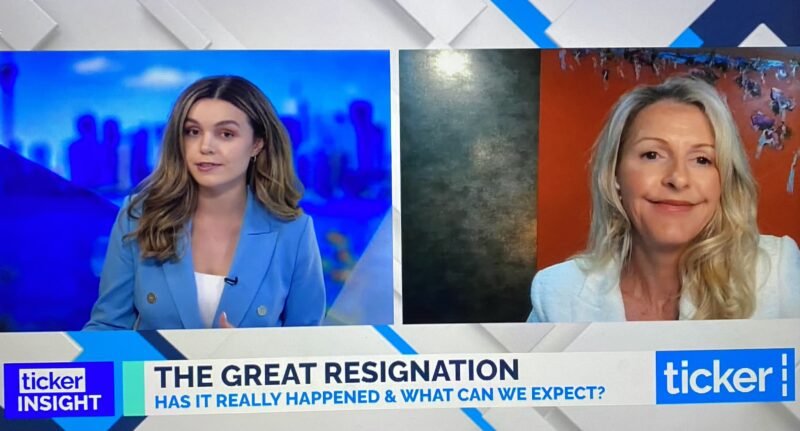


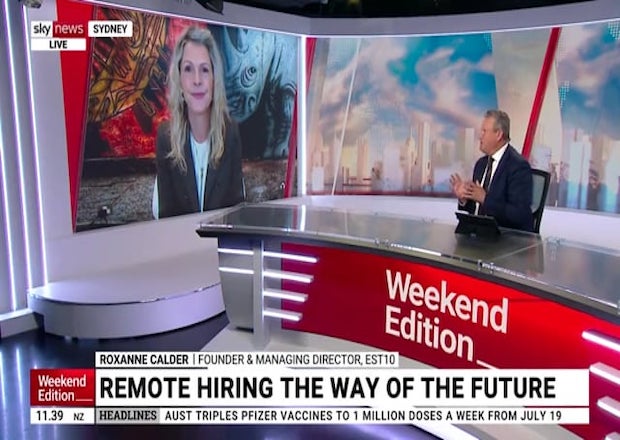
Expert advice, salary insights and the latest labour market trends, delivered straight to your inbox each week.
Subscribe now