Video
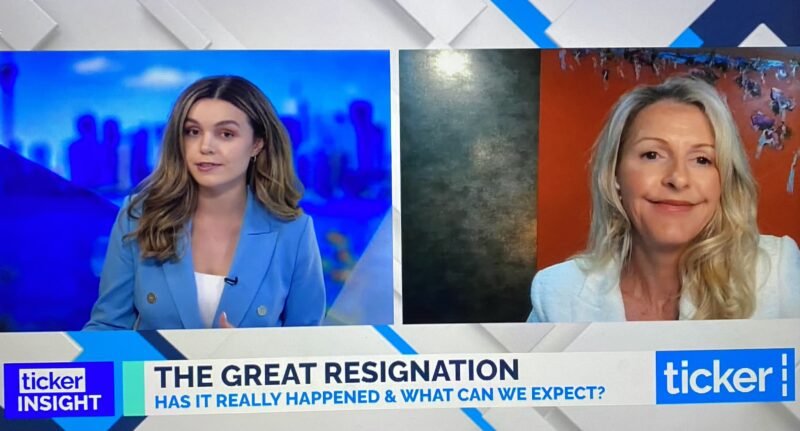
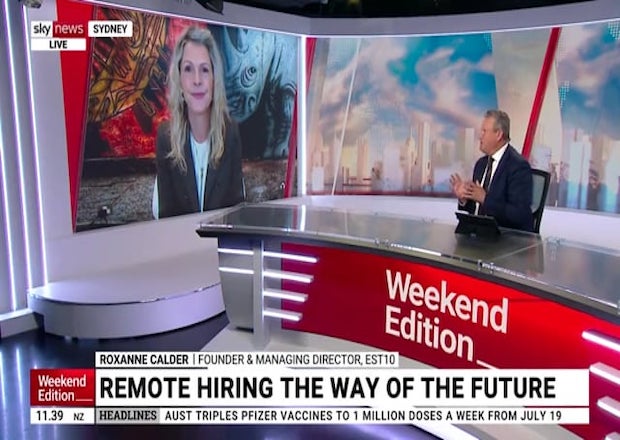
Roxanne on the Today Show: AI & the future of work
How AI is reshaping hiring, and what it means for candidates and employers.
As seen in














How AI is reshaping hiring, and what it means for candidates and employers across Australia.
Across the market we are seeing the same pattern: people are staying. Tenure is lengthening, notice periods are being honoured in full, and the once-reliable stream of active candidates has slowed to a trickle. Call it job hugging, the quiet counterpart to the great resignation, and it is changing what good hiring looks like.
Why workers are holding on
Economic caution is part of it. When headlines wobble, the known desk feels safer than the unknown one. But the deeper driver is that employers got better at the things that make people stay: flexibility, genuine development, and managers who notice effort. The result is a workforce that is harder to tempt and, when tempted, far more discerning.
For hiring teams, that has three immediate consequences worth planning around:
- Passive beats active. The best people are not applying. Reaching them means a warm, specific approach, not a job ad and hope.
- Counter-offers are back. Expect the people you court to be courted in return. Build that into your timeline and your close.
- Retention is recruitment. Every person you keep is one you do not have to replace in the tightest market in years.
The cheapest hire you will make this year is the one you already have. Retention is not the opposite of recruitment, it is the smartest form of it.
Roxanne Calder
What to do about it
Start by treating your current team as your first talent pool. Map who is at risk, who is ready for more, and where a lateral move would buy you a year of engaged tenure. Then sharpen the top of your funnel: the shift to passive candidates rewards employers who can tell a clear, human story about the work and the people behind it.
Finally, be honest about pace. In a job-hugging market, the employer who moves with clarity and speed wins, not because they pay the most, but because they make staying put feel like the risk. The organisations that thrive in 2026 will be the ones that make their own people the hardest to poach.
When the counter-offer comes
Assume every strong candidate you court will be courted in return, often by their current employer. Decide in advance how far you will go, and sell the things a counter-offer cannot buy: a fresh mandate, a manager who backs them, and a clear runway to grow. Move quickly and stay human, and the counter-offer becomes a hurdle rather than a wall.
Frequently asked questions
What exactly is “job hugging”?
It is the shift from frequent role-changing to staying put: longer tenure, notice periods honoured in full, and far fewer active candidates on the market. It is the quiet counterpart to the great resignation.
How do we reach candidates who aren’t applying?
With a warm, specific approach rather than a job ad and hope: a clear, human story about the work, the manager and the growth on offer, delivered directly to the people you want.
Is retention really cheaper than recruiting?
Almost always. The person you keep is one you do not have to source, interview, hire and onboard again. In the tightest market in years, that is the smartest saving you can make.
How do we win when a counter-offer lands?
Move with clarity and speed, and lead with what money cannot match: a fresh mandate, real development, and a manager who genuinely backs them.